Body butter recipes, often found in PDF format, offer a gateway to luxurious skincare. Resources from authors like Mitchell, Lowe, Marie, and Summers provide
easy-to-follow guides for crafting personalized, all-natural body butters.
What is Body Butter?
Body butter is an intensely moisturizing skincare product, differing from lotions due to its higher oil content and thicker consistency. Often detailed in PDF recipe guides by authors like Karen Mitchell and Donna Summers, it’s crafted by blending butters – shea and cocoa being primary – with carrier oils.
These recipes, frequently available online, emphasize natural ingredients for nourished, soft skin. Unlike commercial products, homemade body butter allows customization, avoiding harsh chemicals. Margaret Lowe’s eBook and Ella Marie’s guide showcase the simplicity of creating these luxurious treatments at home, offering a healthier alternative.
Benefits of Homemade Body Butter
PDF guides from authors like Mitchell and Lowe highlight numerous benefits of crafting your own body butter. Homemade versions allow complete control over ingredients, avoiding potential allergens and harsh chemicals found in store-bought options.
Recipes, often beginner-friendly as noted in various resources, promote healthier, more radiant skin through natural butters and oils. Customization is key – tailoring scents and ingredients to individual needs. Furthermore, creating body butter is cost-effective and makes thoughtful, personalized gifts, as emphasized by Summers’ eBook.
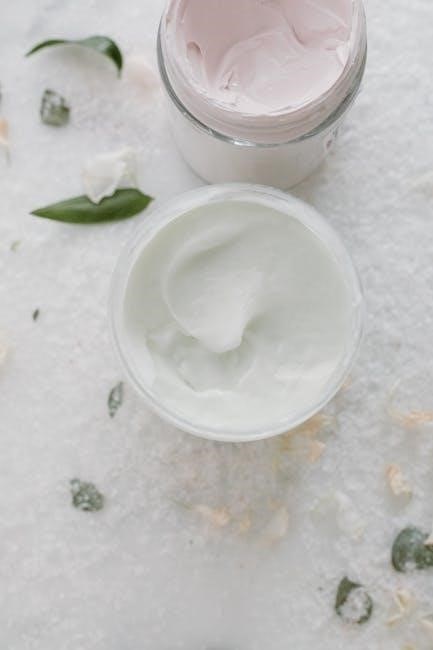
Core Ingredients for Body Butter
Body butter recipes, detailed in PDF guides, center around shea, cocoa butter, and carrier/essential oils. Mastering these basics unlocks a world of skincare possibilities!
Shea Butter: Types and Properties
Shea butter, a cornerstone of many body butter recipes (often detailed in PDF guides), comes in refined and unrefined forms. Unrefined shea butter retains its natural vitamins and minerals, offering superior moisturizing benefits and a distinct nutty aroma.
Refined shea butter is processed to remove the scent and color, making it more suitable for those sensitive to smells or desiring a neutral base. Both types are rich in fatty acids, providing deep hydration and promoting skin elasticity. PDF resources emphasize choosing high-quality shea butter for optimal results in your homemade creations.
Cocoa Butter: Uses and Variations
Cocoa butter, frequently featured in body butter recipes available as PDF downloads, imparts a rich, chocolatey scent and exceptional hardness to formulations. It’s renowned for its emollient properties, creating a protective barrier on the skin and locking in moisture.
Variations include deodorized cocoa butter, eliminating the chocolate aroma for scent customization, and organic options ensuring purity. PDF guides often highlight cocoa butter’s ability to heal dry, cracked skin, making it ideal for intensive moisturizing treatments. Its solid consistency contributes to a luxurious texture.
Carrier Oils: A Comprehensive List (Coconut, Almond, Jojoba, etc.)
Body butter recipes, often detailed in PDF guides, rely heavily on carrier oils to dilute essential oils and enhance moisturizing benefits. Popular choices include coconut oil for its deep penetration, almond oil for a light texture, and jojoba oil, closely mimicking skin’s natural sebum.
PDF resources frequently suggest experimenting with apricot kernel, grapeseed, or avocado oil. Each oil contributes unique properties – from vitamin E richness to anti-inflammatory effects – allowing for customized formulations tailored to specific skin needs, as highlighted by authors like Mitchell and Lowe.
Essential Oils: Safety and Popular Choices
Body butter recipes, frequently found as PDF downloads, emphasize the importance of safe essential oil usage. Dilution is key, as detailed in guides by Summers and Marie, to avoid skin irritation. Popular choices include lavender for relaxation, chamomile for sensitivity, and tea tree for its antiseptic properties.
PDF resources caution against photosensitive oils like citrus when sun exposure is expected. Authors like Mitchell and Lowe stress patch testing before full application. Careful selection and proper dilution ensure aromatherapy benefits without adverse reactions, enhancing the luxurious experience.
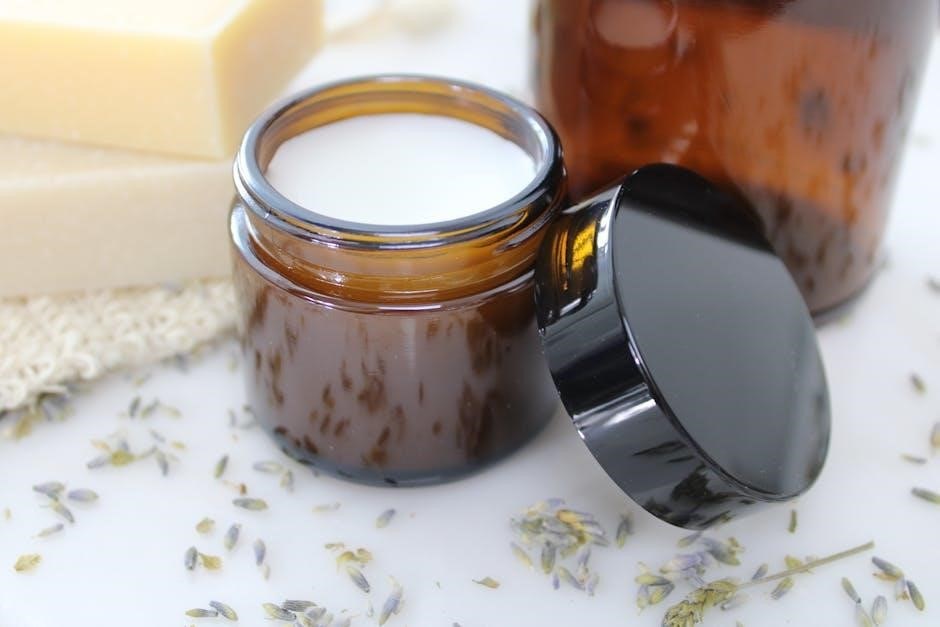
Basic Body Butter Recipe
Body butter recipes in PDF format often begin with simple instructions. Guides from Lowe and Mitchell detail essential equipment and step-by-step processes for beginners.
Equipment Needed (Mixer, Bowls, etc.)
PDF guides detailing body butter recipes consistently emphasize specific equipment. A stand mixer is highly recommended, particularly for achieving whipped textures, as noted in several downloadable recipes. You’ll also require heat-safe bowls – glass or stainless steel are ideal – for melting butters and oils.
Measuring cups and spoons are crucial for accurate ingredient ratios. A double boiler, or a heatproof bowl set over a simmering pot of water, facilitates gentle melting. Finally, spatulas are essential for scraping bowls and ensuring thorough mixing, contributing to a smooth, consistent final product.
Step-by-Step Instructions for a Simple Recipe
Many body butter recipes, readily available as PDF downloads, begin with melting shea and cocoa butter using a double boiler. Once melted, remove from heat and allow to cool slightly. Gradually add your chosen carrier oil – coconut, almond, or jojoba are popular – and blend.
Using a stand mixer, whip the mixture for 5-10 minutes until light and fluffy. Finally, incorporate essential oils for scent, ensuring proper dilution. Transfer to airtight containers and allow to solidify for a luxurious, homemade treat!
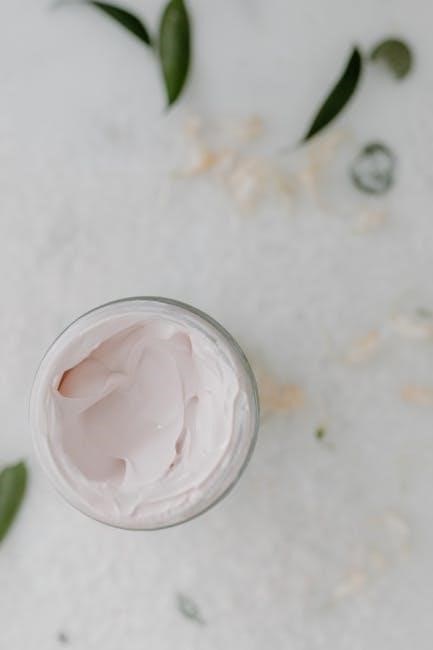
Advanced Body Butter Recipes
Body butter recipes in PDF guides detail techniques like whipping for airy textures, layering for visual appeal, and infusing florals for unique scents.
Whipped Body Butter Techniques
PDF guides dedicated to body butter recipes frequently emphasize whipping as a crucial step for achieving a light, fluffy consistency. This involves prolonged beating, often with a stand mixer, to incorporate air.
The process transforms denser butters into a cloud-like texture, enhancing spreadability and absorption. Detailed instructions within these downloadable resources explain optimal whipping times and speeds. Some guides, like the 25-page PDF download mentioned, offer video support for beginners, ensuring successful results. Mastering this technique elevates homemade body butter to a truly luxurious experience.
Layered Body Butter Creations
Body butter recipes in PDF format sometimes venture beyond simple blends, showcasing techniques for creating visually appealing layered creations. This involves preparing multiple batches with different colors or scents, then carefully layering them in jars.
These guides often suggest using natural colorants, like cocoa powder or beetroot powder, to achieve distinct hues. The aesthetic appeal adds a luxurious touch, making them ideal gifts. Resources from authors like Donna Summers inspire experimentation with textures and presentations, elevating homemade body butter beyond basic skincare.
Body Butter with Floral Infusions
Many body butter recipes available as PDF downloads detail the art of floral infusions. These guides, authored by experts like Karen Mitchell and Ella Marie, explain how to infuse carrier oils with dried flowers – such as rose petals or lavender – to impart their fragrance and beneficial properties.
The process typically involves gently heating the oil with the flowers, allowing the scent to permeate. This technique adds a sophisticated, natural aroma and subtle therapeutic benefits to the final product, enhancing the overall luxurious experience.
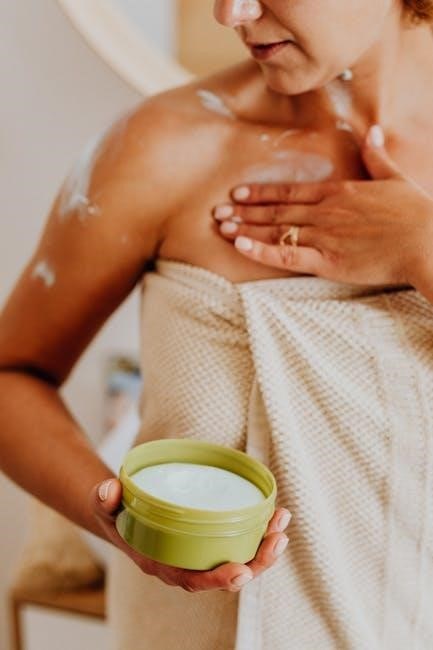
Recipe Variations Based on Skin Type
Body butter recipes in PDF format often categorize formulations by skin type – dry, sensitive, or normal – offering tailored ingredient lists for optimal hydration.
Body Butter for Dry Skin
Body butter recipes geared towards intensely dry skin, frequently available as PDF downloads, emphasize deeply moisturizing ingredients. Shea butter and cocoa butter form the base, often combined with richer carrier oils like avocado or sweet almond oil.
These recipes prioritize occlusive properties to lock in moisture and repair the skin barrier. Essential oils like lavender or chamomile are often included for their soothing benefits. Authors like Karen Mitchell and Ella Marie detail specific ratios and techniques to create exceptionally hydrating body butters, perfect for combating dryness and restoring skin suppleness.
Body Butter for Sensitive Skin
Body butter recipes designed for sensitive skin, often found in detailed PDF guides, prioritize gentle, hypoallergenic ingredients. Shea butter remains a staple, but recipes often favor lighter carrier oils like jojoba or grapeseed oil to minimize irritation.
Essential oil use is carefully considered, with chamomile and lavender being popular choices due to their calming properties. Authors like Donna Summers emphasize avoiding potential allergens and suggest patch testing. These recipes focus on soothing inflammation and strengthening the skin’s natural barrier without causing adverse reactions.
Body Butter for Normal Skin
Body butter recipes for normal skin, readily available in PDF format, offer the most flexibility in ingredient choices. Shea and cocoa butter provide a rich base, complemented by a variety of carrier oils like almond or coconut oil for added moisture.
These recipes often encourage experimentation with essential oils, allowing for customized scents and aromatherapy benefits. Guides from authors like Karen Mitchell highlight balancing hydration with a lighter texture, ensuring the body butter isn’t overly greasy, maintaining skin health and radiance.
Scenting Your Body Butter
Body butter recipes in PDF guides emphasize essential oils for aromatherapy. Authors like Summers detail creating custom scent blends for personalized, fragrant skincare experiences.
Using Essential Oils for Aromatherapy
Essential oils elevate body butter recipes, offering therapeutic benefits beyond moisturization. PDF guides, such as those by Donna Summers, highlight the power of scent to influence mood and well-being.
Carefully selected oils like lavender promote relaxation, while citrus varieties invigorate. These recipes often detail safe dilution rates, crucial for avoiding skin sensitivity.
Exploring blends allows for customized aromatherapy experiences, transforming a simple skincare routine into a holistic self-care ritual. Remember to research each oil’s properties before incorporating it into your homemade creations.
Creating Custom Scent Blends
PDF resources on body butter recipes encourage experimentation with scent profiles. Authors like Karen Mitchell emphasize that blending essential oils allows for truly personalized creations. Start with a base note – vanilla or sandalwood – for grounding.
Add middle notes like geranium or lavender for balance, and finish with uplifting top notes such as citrus or peppermint.
Always test blends in a small amount of carrier oil before adding to the entire batch. Careful consideration ensures harmonious aromas and avoids overpowering scents, resulting in a uniquely delightful product.

Troubleshooting Common Issues
Body butter recipes PDF guides often address texture problems. Graininess, hardness, or softness can occur; adjustments to ingredient ratios or melting/cooling techniques resolve these issues.
Body Butter is Too Hard
Body butter recipes PDF resources frequently detail solutions for overly firm textures. If your homemade body butter is excessively hard, it likely contains too much solid butter – shea or cocoa.
To remedy this, gently remelt a small portion of the body butter using a double boiler or short bursts in the microwave. Gradually incorporate a liquid carrier oil, like sweet almond or jojoba, stirring continuously.
Begin with a teaspoon at a time, assessing the consistency after each addition. The goal is to achieve a smoother, more spreadable texture without compromising the overall formula.
Body Butter is Too Soft
Body butter recipes PDF guides often address the issue of a body butter that’s too soft. This typically happens when the ratio of liquid oils to solid butters is too high, or if exposed to warmer temperatures.
To firm up a soft body butter, try chilling it in the refrigerator for 15-30 minutes. If that isn’t enough, gently remelt a portion and incorporate more shea or cocoa butter, stirring well.
Adding a small amount of beeswax can also increase firmness, but use sparingly to avoid making it too hard.
Grainy Texture – Causes and Solutions
Body butter recipes PDF resources frequently discuss grainy texture, a common issue. This occurs when shea butter isn’t fully melted or rapidly cools, causing crystallization.
To fix it, gently remelt the body butter over low heat, ensuring it’s completely liquid. Cool it slowly, stirring occasionally. Avoid rapid temperature changes.
Some guides suggest adding a small amount of liquid oil during the cooling process to prevent recrystallization. Proper melting and cooling are key, as detailed in many downloadable guides.
Packaging and Storage
Body butter recipes PDF guides emphasize airtight containers for preservation. Glass jars are ideal, protecting against light and air, extending the shelf life of your creations.
Best Containers for Body Butter
Body butter recipes PDF resources consistently recommend glass jars as the premier choice for storage. Dark-colored glass offers superior protection from light degradation, preserving the butter’s beneficial properties. Wide-mouth jars facilitate easy access for application.
Alternatively, sturdy plastic containers, specifically those labeled BPA-free, can be utilized, though they may not offer the same level of long-term preservation. Consider the aesthetic appeal too; decorative jars enhance the gifting experience, aligning with suggestions from authors like Donna Summers.
Shelf Life and Preservation
Body butter recipes PDF guides emphasize that homemade body butter, due to the absence of synthetic preservatives, typically boasts a shelf life of 6-12 months. Proper storage is crucial; airtight containers, preferably glass, shielded from direct sunlight and heat, maximize longevity.
Adding Vitamin E oil (tocopherol) can act as a natural antioxidant, extending freshness. Regularly check for any changes in scent or texture – signs of rancidity. Resources from Karen Mitchell and Ella Marie highlight these preservation techniques.
Resources and Further Learning
Body butter recipes PDF downloads, alongside books by Mitchell, Lowe, Marie, and Summers, offer extensive guidance. Online forums and communities provide support and shared knowledge.
Recommended Books (Karen Mitchell, Margaret Lowe, Ella Marie, Donna Summers)
Karen Mitchell’s “Homemade Body Butter Recipes” is praised for its beginner-friendly approach, offering quick recipes for soft skin. Margaret Lowe’s eBook, “Make Your Own Body Butter,” emphasizes customization and safety, ideal for gifting.
Ella Marie’s work focuses on all-natural, preservative-free concoctions for radiant skin, while Donna Summers’ “Homemade Body Butters” expands into massage therapy oils. These resources, often complementing body butter recipes PDF guides, provide a solid foundation for crafting personalized skincare. Each author brings a unique perspective to the art of homemade body butter creation.
Online Communities and Forums
While body butter recipes PDF downloads offer structured guidance, online communities provide dynamic learning environments. Forums dedicated to DIY skincare allow enthusiasts to share experiences, troubleshoot issues, and refine techniques.
These platforms often host discussions on ingredient sourcing, scent blending, and adapting recipes for various skin types; Engaging with fellow crafters fosters creativity and provides access to a wealth of collective knowledge. Active participation can significantly enhance your body butter-making journey, supplementing the information found in eBooks and guides.
PDF Recipe Downloads and Guides
Numerous body butter recipes PDF guides are readily available online, offering concentrated instructions and formulations. Resources like the 25-page Whipped Body Butter Recipe provide detailed, step-by-step support, ideal for beginners.
These downloadable resources often include variations, troubleshooting tips, and ingredient lists, streamlining the creation process. Authors such as Donna Summers also offer comprehensive eBooks covering diverse body butter techniques. PDF guides present a convenient, portable format for accessing recipes anytime, anywhere.
Body Butter as Gifts
Body butter recipes, easily accessible in PDF format, make thoughtful, customizable gifts. Margaret Lowe highlights their suitability for loved ones, offering a personal touch!
Presentation Ideas
Body butter recipes, often downloaded as convenient PDF guides, inspire beautiful gifting options. Consider charming mason jars adorned with ribbons and personalized labels. Small, decorative tins offer a sophisticated touch, perfect for travel-sized portions.
Layering the body butter with dried flowers or a sprinkle of natural exfoliants within the jar adds visual appeal. Include a handwritten card detailing the ingredients and benefits, showcasing the thoughtfulness behind your homemade creation.
For a luxurious feel, package the body butter in elegant boxes with tissue paper and a small, coordinating scoop. These presentation ideas elevate a simple PDF-inspired recipe into a truly special gift!
Customizing for Different Recipients
Body butter recipes, readily available in PDF format, allow for tailored gifts. For sensitive skin, omit essential oils or choose chamomile and lavender. Men might prefer unscented butter or masculine scents like cedarwood.
Children’s skin benefits from gentle, hypoallergenic recipes – shea butter and coconut oil are ideal. Elderly recipients may appreciate warming scents like ginger or rosemary to soothe aching joints.
Referencing PDF guides from authors like Mitchell and Summers ensures safe and effective ingredient choices. Personalizing the scent and ingredients demonstrates thoughtful consideration for each individual’s needs.
Safety Precautions
Body butter recipes (PDF guides included) necessitate allergy awareness and patch testing. Always check ingredients and test on skin before widespread use.
Allergy Considerations
Body butter recipes, readily available as PDF downloads, often utilize natural ingredients, but allergies are still a concern. Shea butter, cocoa butter, and carrier oils like almond or coconut can trigger reactions in sensitive individuals. PDF guides should emphasize checking ingredient lists carefully.
Always be mindful of nut allergies when using almond oil. Perform a patch test before applying any new body butter formulation to a large area of skin. If redness, itching, or swelling occurs, discontinue use immediately. Prioritize sourcing ingredients from reputable suppliers to minimize the risk of contamination with allergens.
Patch Testing
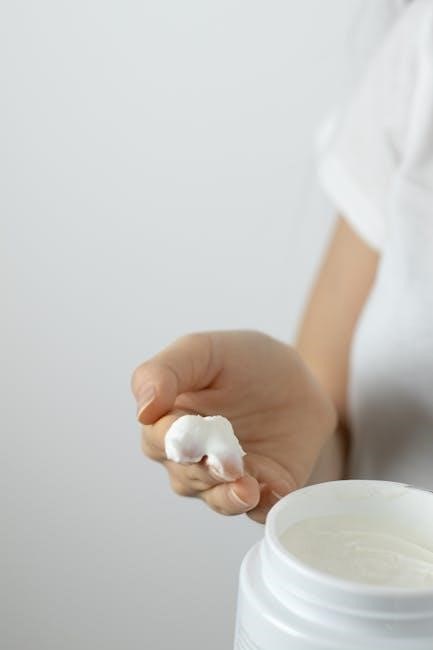
Body butter recipes, often detailed in PDF guides from authors like Mitchell and Summers, stress the importance of patch testing. Before widespread use, apply a small amount of your homemade body butter to an inconspicuous area – the inner forearm is ideal.
Cover the test area and observe for 24-48 hours, watching for any adverse reactions like redness, itching, or irritation. This simple step, highlighted in many PDF resources, helps identify potential sensitivities to ingredients like essential oils or carrier oils, ensuring a safe and enjoyable experience.