The Illuminati and Their Alleged Bloodlines: A Deep Dive (Updated April 30, 2026)
Fritz Springmeier’s research, detailed in “Bloodlines of the Illuminati,” exposes families believed to be key players, tracing lineage and influence through history․
Historical Origins of the Illuminati
The roots of Illuminati lore are often traced to the Bavarian Illuminati, a secret society founded on May 1, 1776, by Adam Weishaupt․ This Enlightenment-era group advocated reason and challenged the power of the church and state․ However, the modern fascination with “Illuminati bloodlines” significantly diverges from this historical origin․
The concept of inherited power within the Illuminati gained traction much later, fueled by conspiracy theories and research like Fritz Springmeier’s “Bloodlines of the Illuminati․” This work posits that a select group of families, claiming descent from ancient lineages—even a distorted interpretation of Jesus’s lineage— secretly control global events․ The historical Bavarian Illuminati, short-lived and suppressed by the late 1780s, did not focus on such dynastic control․
The Bavarian Illuminati: Founding and Dissolution
Founded in 1776 by Adam Weishaupt, the Bavarian Illuminati aimed to promote reason and oppose superstition and religious influence in public life․ Recruiting primarily from universities, the society quickly attracted intellectuals and progressive thinkers․ However, its secretive nature and radical ideas soon drew suspicion from the Bavarian government․
By 1784-1785, the Illuminati faced increasing scrutiny and were ultimately outlawed by Charles Theodore, Elector of Bavaria․ The group was effectively dissolved, with members facing persecution and exile․ Despite its brief existence, the Bavarian Illuminati’s suppression fueled later conspiracy theories, particularly those linking it to enduring, powerful “bloodlines,” as explored in works like Fritz Springmeier’s “Bloodlines of the Illuminati․”
The Modern Myth: From Historical Society to Global Conspiracy
The historical Bavarian Illuminati, though short-lived, became fertile ground for modern conspiracy theories․ The notion evolved that the society didn’t truly disband, but instead went underground, continuing to manipulate world events through a network of influential families․ This narrative gained traction with publications like Fritz Springmeier’s “Bloodlines of the Illuminati,” which detailed alleged lineages controlling global power․
These theories posit that a select group, descended from the original Illuminati members, secretly orchestrates political and economic systems․ The idea resonates with anxieties about hidden power structures and fuels speculation about elite control, despite lacking concrete historical evidence beyond the initial 18th-century society․
The Concept of “Bloodlines” in Illuminati Lore
The concept centers on the idea that power is maintained through inherited lineage, tracing ancestry back to influential families and even a distorted “House of David․”
The Significance of Lineage and Ancestry
Within Illuminati lore, lineage isn’t merely about historical connection; it’s perceived as a conduit of power and influence passed down through generations․ The belief suggests these families possess a unique, almost sacred, bloodline, potentially linked to interpretations of religious figures like Jesus, though twisted through a Satanic lens․
This emphasis on ancestry implies a deliberate strategy of maintaining control by ensuring power remains within a select group․ Genealogical research, including DNA testing, becomes crucial – though challenging – for those attempting to verify connections to these alleged bloodlines․ The idea is that belonging to one of these families grants access to resources and networks unavailable to others, solidifying their dominance․ Springmeier’s work heavily focuses on mapping these ancestral connections․
The Claim of 13 Controlling Families
A central tenet of Illuminati conspiracy theories revolves around the assertion that thirteen families secretly govern the world․ This claim, popularized by figures like Fritz Springmeier, suggests these bloodlines wield unimaginable wealth and power, extending their influence across continents – from Europe to China․ The number thirteen itself carries symbolic weight within certain esoteric traditions․
These families aren’t simply wealthy; they are believed to be interconnected, strategically positioned in finance, industry, and politics to manipulate global events․ The idea is that their control isn’t overt, but rather operates through subtle influence and long-term planning, ensuring their continued dominance․ Identifying these families is key to understanding the alleged conspiracy․

Exploring the Alleged 13 Illuminati Families
The Astor, Rothschild, and Rockefeller families represent immense wealth and influence, epitomizing the elite class and forming the core of the alleged controlling groups․
The Astor Family: Wealth and Influence
The Astor family, spanning generations, embodies the pinnacle of wealth and societal influence, becoming synonymous with the elite class․ Their fortune originated with John Jacob Astor’s fur trade in the late 18th and early 19th centuries, expanding into real estate, particularly in New York City․
This strategic investment propelled the family to immense prosperity, establishing a lasting legacy of power and control․ The Astors’ continued accumulation of wealth and their prominent position within financial circles have led to speculation regarding their involvement in the alleged Illuminati network․
Their enduring influence, coupled with secretive business practices, fuels theories about their role in shaping global events and maintaining a hidden power structure․ The family’s story is central to discussions surrounding the “bloodlines․”
The Rothschild Family: Banking and Finance
The Rothschild family stands as a monumental force in the world of international banking and finance, their influence stretching back centuries․ Originating in the Frankfurt ghetto, Mayer Amschel Rothschild established a financial dynasty that rapidly expanded across Europe, strategically placing family members in key financial centers․
Their control over capital and credit lines granted them significant political leverage, enabling them to finance wars and influence governments․ This immense power has made them a focal point of conspiracy theories, particularly those concerning the Illuminati․
The Rothschilds’ alleged involvement in manipulating global financial systems and their perceived secrecy contribute to their prominence within “bloodline” narratives․
The Rockefeller Family: Oil and Philanthropy
The Rockefeller family’s fortune originated with John D․ Rockefeller’s Standard Oil, which dominated the oil industry in the late 19th and early 20th centuries․ This immense wealth translated into substantial political and economic power, allowing the family to shape industries and influence policy․
Beyond oil, the Rockefellers became prominent philanthropists, establishing foundations that funded medical research, education, and the arts․ However, this philanthropy is often viewed with suspicion within Illuminati lore, seen as a means of controlling societal narratives and agendas․
Their enduring influence and strategic investments solidify their position as a key family in alleged Illuminati “bloodlines․”
The Morgan Family: Finance and Power Brokerage
J․P․ Morgan and his successors established a financial empire that profoundly impacted American and global economies․ Their banking house, J․P․ Morgan & Co․, frequently bailed out failing governments and corporations, wielding immense power over financial stability and industrial growth․ This ability to control capital flows positioned the Morgans as central figures in alleged Illuminati networks․
The family’s influence extended beyond banking, shaping railroad development and wielding considerable political sway․ Critics suggest their interventions weren’t purely economic, but strategically designed to consolidate control․
Their legacy continues to be scrutinized within the context of alleged “bloodlines․”
The DuPont Family: Chemicals and Industry
The DuPont family’s wealth originated with Éleuthère Irénée du Pont, who established a gunpowder mill in 1802․ Over generations, DuPont evolved into a chemical industry giant, pioneering materials like nylon and Teflon, profoundly impacting manufacturing and daily life․ This industrial dominance translated into substantial economic and political influence․
Their diversification into various sectors, coupled with strategic investments, solidified their position among the elite․ Some researchers, like Fritz Springmeier, identify the DuPonts as key players within alleged Illuminati “bloodlines,” suggesting their power extends beyond legitimate business․
Their historical trajectory fuels ongoing speculation․
The Warburg Family: International Banking
The Warburg family rose to prominence in 19th-century Germany, establishing a powerful international banking dynasty․ They played a significant role in financing both World Wars and wielded considerable influence over European economies․ Their network extended across continents, establishing branches in key financial centers like London and New York․
Researchers, notably Fritz Springmeier in “Bloodlines of the Illuminati,” allege the Warburgs are central to a network of families controlling global finance and political systems․ This claim centers on their historical involvement in central banking and alleged manipulation of economic policies․
Their legacy continues to spark debate․

The Kuhn Loeb Family: Investment Banking
Kuhn, Loeb & Co․ was a prominent investment bank founded in 1876, becoming a major force in financing railroads, industrial enterprises, and even war efforts․ The firm was deeply connected to the Rothschild family, facilitating capital flow and expanding their financial reach within the United States․ It played a crucial role in shaping American economic development during the late 19th and early 20th centuries․
According to research presented in “Bloodlines of the Illuminati,” the Kuhn Loeb family is identified as a key component of the alleged network controlling global finance, alongside the Warburgs and Rothschilds․
Their influence remains a subject of scrutiny․
The Schiff Family: Banking and Political Influence
The Schiff family, originating from Germany, rose to prominence through Jacob Schiff’s leadership at Kuhn, Loeb & Co․ He significantly funded Japan during the Russo-Japanese War and played a vital role in financing both sides of World War I, demonstrating immense financial power and strategic influence․ Jacob Schiff was a key figure in establishing the Federal Reserve System, shaping American monetary policy․
“Bloodlines of the Illuminati” identifies the Schiff family as integral to the alleged network, leveraging their banking influence to exert political control and further the goals of the purported Illuminati agenda․
Their legacy continues to be debated․
The Bundy Family: Political and Governmental Roles
The Bundy family’s influence stems from generations holding prominent positions within the United States government and legal systems․ Harvey Bundy served as an advisor to Presidents Franklin D․ Roosevelt and Harry S․ Truman, while his son, McGeorge Bundy, acted as National Security Advisor under Presidents John F․ Kennedy and Lyndon B․ Johnson․ William Bundy also held significant roles in the State Department and National Security Council․
According to research presented in “Bloodlines of the Illuminati,” the Bundy family’s consistent presence in positions of power suggests a deliberate strategy to shape policy and maintain control from within the government․
Their connections are often cited as evidence․
The Reynolds Family: Aluminum and Media
The Reynolds family amassed considerable wealth through the aluminum industry, primarily with the Reynolds Metals Company․ However, their influence extends beyond manufacturing into the realm of media ownership․ Samuel Irving Reynolds, founder of the company, laid the groundwork for a diversified empire․ Later generations strategically invested in media outlets, gaining control over information dissemination․
“Bloodlines of the Illuminati” highlights the Reynolds family’s media holdings as a key component of their power, suggesting a deliberate effort to shape public opinion and control narratives․ This dual control over resources and information is a recurring theme․
Their influence is substantial․
The Harriman Family: Railroads and Finance
The Harriman family’s fortune originated with E․H․ Harriman’s dominance in the railroad industry during the late 19th and early 20th centuries․ He consolidated numerous railroad lines, wielding immense economic and political power․ This foundation in transportation quickly expanded into high finance, with the family becoming deeply involved in banking and investment․
“Bloodlines of the Illuminati” details how the Harriman’s leveraged their financial holdings to influence global events and maintain control over key industries․ Their connections to international banking families are also explored, suggesting a coordinated network of power․
Their legacy continues today․
The Van Duyn Family: Dutch Origins and Global Reach
The Van Duyn family, tracing its roots back to the Netherlands, represents a lesser-known yet significant component within the alleged network of Illuminati bloodlines․ Their influence isn’t as publicly visible as some others, but “Bloodlines of the Illuminati” suggests a substantial, quietly exerted global reach․ This family’s wealth accumulated through strategic investments and trade, expanding across continents over generations․
Springmeier’s research indicates connections to European aristocracy and involvement in international financial dealings, positioning them as key facilitators within the broader system of control․ Their Dutch origins provided a crucial foothold in early global commerce․
Their influence remains largely obscured․
The Collins Family: Political and Business Connections
The Collins family, as detailed within “Bloodlines of the Illuminati,” exemplifies the intertwining of political power and substantial business interests․ Their ascent is marked by strategic alliances and calculated investments across diverse sectors, fostering a network of influence that spans generations․ Springmeier’s work highlights their adeptness at navigating the corridors of power, securing advantageous positions within government and industry․
This family’s connections extend to media outlets and key decision-making bodies, allowing them to shape narratives and policies to their benefit․ Their wealth isn’t merely financial; it’s rooted in access and control․
Their influence is subtle yet pervasive․

Tracing Ancestry and the Illuminati
Determining Illuminati descent proves challenging, requiring extensive genealogical research and, potentially, DNA testing to verify connections to historical figures․
The Challenges of Verifying Illuminati Descent
Establishing a definitive link to the historical Illuminati, or its alleged modern iterations, presents significant hurdles; Records from the Bavarian Illuminati’s brief existence are incomplete, making direct lineage tracing exceptionally difficult․ Claims of descent often rely on interpretations of family histories and connections to powerful families identified in works like Fritz Springmeier’s “Bloodlines of the Illuminati․”
However, proving membership in the 18th-century society—a prerequisite for legitimate descent—remains elusive․ Many purported connections are based on circumstantial evidence and speculative interpretations of wealth, influence, and shared ideologies․ Genealogical research can only trace ancestry so far, and the absence of concrete documentation casts doubt on many assertions of Illuminati lineage․
DNA Testing and Genealogical Research
While DNA testing and genealogical research offer tools for tracing ancestry, they present limited value in verifying claims of Illuminati descent․ As one Quora user noted, tracing lineage back to the late 1700s Bavarian Illuminati is a significant challenge, even with modern technology․ DNA can reveal ethnic origins and familial connections, but it cannot confirm membership in a secretive society․
Genealogical records may identify ancestors with wealth or influence, potentially linking them to families discussed in “Bloodlines of the Illuminati,” but correlation doesn’t equal causation or membership․ Establishing a direct link requires documented proof of involvement, which remains largely unavailable;
The Role of Fritz Springmeier’s Research
Fritz Springmeier is a central figure in Illuminati bloodline research, authoring “Bloodlines of the Illuminati,” a detailed exposé of families allegedly controlling global events․ He’s described as a researcher and educator who presents compelling details regarding these powerful lineages, spanning Europe and even reaching China, according to sources like The Freeman Family’s “House in the Trees Podcast․”
Springmeier’s work attempts a historical and genealogical “who’s-doing-it” analysis, but his methodology and claims are subject to significant criticism and controversy, requiring careful evaluation by readers․

“Bloodlines of the Illuminati” ─ The Book and its Impact
Springmeier’s book is a unique historical exposé, detailing the families considered the primary movers and shakers behind global power structures and influence․
Springmeier’s Methodology and Claims
Fritz Springmeier’s methodology, as presented in “Bloodlines of the Illuminati,” centers on extensive genealogical research, attempting to connect prominent families to ancient, often occult, lineages․ He posits that these families maintain power through inherited wealth, strategic intermarriage, and a dedication to a Satanic, anti-Christian agenda․
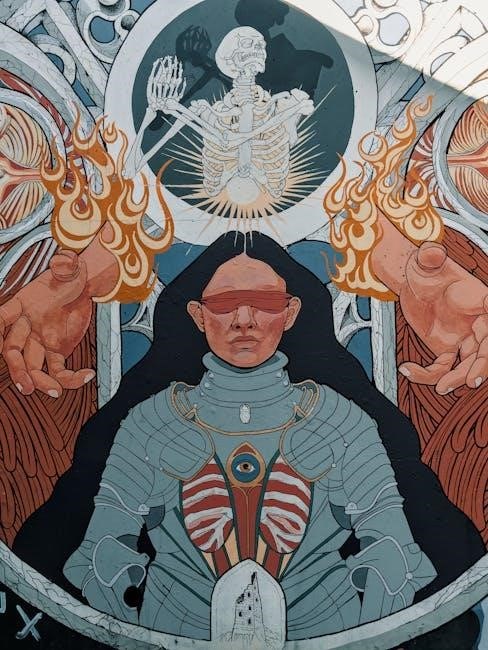
Springmeier claims these bloodlines originated with a corrupted lineage mirroring the House of David, believing they descend from both Davidic royalty and a distorted version of Jesus’s lineage—claiming Jesus had a wife and children․ He alleges these 13 families control the world through finance, politics, and media manipulation, spanning continents from Europe to China․ His work attempts to reveal a hidden network operating outside conventional historical narratives, though his claims remain highly controversial․
Criticisms and Controversies Surrounding the Book
“Bloodlines of the Illuminati” faces significant criticism for lacking verifiable evidence and relying heavily on speculation and unsubstantiated claims․ Critics denounce Springmeier’s methodology as pseudoscientific, citing a tendency to cherry-pick information and misinterpret historical events to fit a pre-determined narrative․
The book’s association with conspiracy theories and anti-Semitic tropes also draws condemnation․ Accusations of promoting harmful stereotypes and fueling distrust in established institutions are common․ While some find the genealogical research intriguing, mainstream historians and researchers largely dismiss the book’s central thesis as unfounded and dangerous, highlighting the importance of critical evaluation․