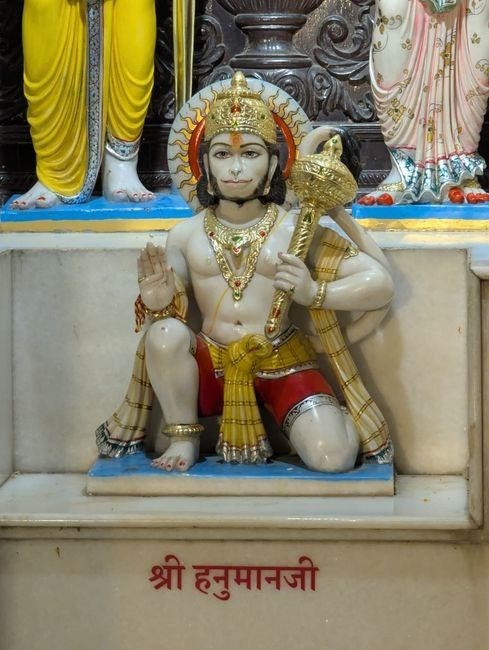
This guide introduces the Bengali Hanuman Chalisa PDF‚ outlining its cultural relevance‚ accessibility‚ and how it preserves devotional traditions in a digital format. It offers concise insights for seekers wishing to explore this sacred text in Bengali language for devotees. Now
What is Hanuman Chalisa?
The Hanuman Chalisa is a revered hymn composed by the 16th‑century poet‑saint Tulsidas celebrating the divine strength devotion and unwavering loyalty of Lord Hanuman. Written in the Awadhi dialect it comprises forty verses (chalisa) that praise Hanuman’s heroic deeds his role as a protector of the faithful and his embodiment of selfless service. Each verse is a concise yet profound invocation reflecting themes of courage humility and faith. The hymn is traditionally recited during devotional rituals festivals and personal meditation believed to bestow courage health and spiritual protection upon the devotee. Its rhythmic structure facilitates memorization and chanting making it accessible to both scholars and lay practitioners. The text is often accompanied by illustrative commentaries that explain symbolic references enabling deeper understanding of its theological nuances. Across India and the global Hindu diaspora‚ the Hanuman Chalisa remains a staple of devotional practice echoing the timeless message that devotion and righteous action can overcome any obstacle. In addition the hymn has been translated into numerous languages allowing devotees worldwide to experience its spiritual potency in their native tongues. The enduring popularity of the Hanuman Chalisa underscores its role as a unifying force within the Hindu faith bridging regional traditions and fostering a shared sense of reverence for the monkey‑god’s divine attributes
Significance of the Bengali Version
The Bengali rendition of the Hanuman Chalisa holds a unique place within the cultural tapestry of Bengal‚ weaving together devotional fervor with linguistic heritage. By translating the original Awadhi verses into Bengali‚ the hymn becomes more accessible to the region’s millions of speakers‚ allowing them to internalize the mantra’s profound meanings without linguistic barriers. This accessibility fosters a deeper personal connection‚ as devotees can recite the verses in their mother tongue‚ thereby enhancing the emotional resonance and spiritual impact of the prayer. Moreover‚ the Bengali version preserves local literary traditions‚ incorporating idiomatic expressions and rhythmic cadences that resonate with the region’s musical sensibilities. This adaptation has also inspired local poets and musicians to compose devotional songs and bhajans‚ further enriching Bengal’s rich tapestry of religious art. In contemporary times‚ the digital availability of the Bengali Hanuman Chalisa in PDF format has democratized access‚ enabling diaspora communities to maintain cultural continuity irrespective of geographic boundaries. The PDF format also allows for easy sharing‚ printing‚ and integration with audio recitations‚ thereby supporting both communal worship and individual meditation practices. Consequently‚ the Bengali version not only sustains the devotional practice of Hanuman worship but also serves as a bridge between tradition and modernity‚ ensuring that the timeless virtues embodied by Lord Hanuman remain alive in the hearts of Bengali devotees worldwide.
Additionally‚ the Bengali translation has played a pivotal role in educational settings‚ where it is incorporated into school curricula and community workshops to teach children about moral values‚ courage‚ and devotion. By embedding the hymn within local folklore and storytelling traditions‚ educators leverage the familiar language to instill virtues such as perseverance‚ humility‚ and faith. The digital PDF also supports accessibility features for visually impaired users‚ ensuring that the hymn’s blessings are available to all. The widespread use of the Bengali Hanuman Chalisa during festivals such as Janmashtami‚ Hanuman Jayanti‚ and the annual Durga Puja celebrations underscores its cultural significance‚ as families gather to chant the verses together‚ reinforcing communal bonds and collective identity. Thus‚ the Bengali version stands as a testament to the adaptability of sacred texts‚ demonstrating how linguistic translation can preserve spiritual essence while fostering inclusivity and cultural pride.
Its continued relevance attests to the enduring power of devotion expressed in the mother tongue!

Where to Find a Bengali PDF
Explore trusted religious sites‚ digital libraries‚ and community forums for Bengali Hanuman Chalisa PDFs. Temples host downloadable versions‚ while archives like Internet Archive or local libraries offer free access. Engage with online groups for shared links and updates.!

Official Religious Sites
Many Hindu temples and ashrams maintain digital archives of devotional texts‚ including the Bengali Hanuman Chalisa. These institutions often provide PDFs for free download‚ ensuring authenticity and reverence. Below are key places where devotees can find reliable Bengali Chalisa PDFs:
- ISKCON Kolkata: The International Society for Krishna Consciousness in Kolkata hosts a library of Bengali scriptures. Their website offers a dedicated section for Hanuman Chalisa in Bengali‚ downloadable as a PDF after a simple email verification.
- Ram Mandir‚ Bhubaneswar: This historic temple’s website features a “Sanskrit and Bengali” resource page. Visitors can click the link titled “Hanuman Chalisa – Bengali PDF” to access a high‑resolution document.
- Shri Hanuman Mandir‚ Siliguri: The local temple’s portal provides a “Download” button on its homepage. The PDF is accompanied by a brief commentary in Bengali‚ making it suitable for both study and recitation.
- Ganesh Mandir‚ Kolkata: Known for its extensive library. By entering “Hanuman Chalisa Bengali” in the search bar‚ users receive a direct link to the PDF file.
- Vishweshwar Mandir‚ Howrah: The temple’s digital archive is accessible through a dedicated portal. A PDF of the Bengali Chalisa is available under the “Devotional Texts” section‚ often updated annually to reflect new editions.
The PDFs are typically formatted in A4 size‚ featuring clear Bengali Devanagari script. For devotees‚ some sites display a free download icon‚ while others require brief registration. The download link is accompanied by a short disclaimer about copyright and usage rights‚ ensuring respectful sharing. for daily practice.!!
Online Libraries and Archives
Digital repositories have become essential for preserving regional scriptures. The Bengali Hanuman Chalisa‚ a staple of devotional practice‚ is widely available across several respected online libraries and archives. These platforms provide high‑quality PDFs that are faithful to traditional manuscripts while offering easy access for devotees worldwide.
Key resources include:
- Digital Library of India hosts a vast collection of Bengali religious texts. A search for “Hanuman Chalisa Bengali PDF” yields a downloadable file with clear Devanagari script and a brief explanatory note.
- National Digital Library of India (NDLI) offers a curated list of devotional literature. The Bengali Chalisa is available in PDF format‚ often accompanied by audio recitations for enhanced learning.
- Internet Archive features user‑uploaded copies of regional scriptures. The Bengali Hanuman Chalisa can be found under the “Religious Texts” category‚ with multiple editions for comparison.
- Bangla Academy Digital Library provides scholarly editions of Bengali literature. Their portal includes a dedicated section for devotional hymns‚ where the Hanuman Chalisa appears as a PDF with commentary.
- Open Library a collaborative project that offers free access to digitized books. The Bengali version of the Chalisa is listed with a short description and a direct download link.
These digital libraries keep the Bengali Hanuman Chalisa alive‚ ensuring it reaches future devotees worldwide.
Community Forums and Online Groups
Devotees often turn to online communities to share resources‚ ask questions‚ and discuss interpretations of the Bengali Hanuman Chalisa. These forums provide a collaborative space where members can upload PDFs‚ recommend reliable sources‚ and offer guidance on how to use the text for personal devotion or academic study. Popular platforms include:
- Reddit – Subreddits such as r/IndianReligion and r/DevotionalSongs frequently feature threads where users post links to Bengali Chalisa PDFs and discuss variations in transliteration.
- Facebook Groups – Groups such as “Bengali Devotional Literature” host PDFs and live recitation videos.
- WhatsApp & Telegram – Regional groups share PDFs and audio files‚ with moderators ensuring authenticity and provide a platform for live recitations and community discussions daily!!
- Discord Servers – Emerging communities host channels for scripture sharing. Users can request PDFs‚ ask for translations‚ and receive direct links from experienced members.
When joining these communities‚ it is advisable to verify the credibility of the source by checking the author’s credentials or cross‑referencing the PDF with a known reputable library. Engaging with community members not only provides access to the Bengali Hanuman Chalisa PDF but also enriches the devotional experience through shared insights and collective learning.

Downloading the PDF

To download the Bengali Hanuman Chalisa PDF‚ find a reliable source‚ click the download link‚ and save the file. Verify the file size and checksum. After downloading‚ open the PDF to confirm the verses match the original. Keep a backup copy for future reference Download from sites to avoid corruption
Requirements and Compatibility
Before initiating the download of the Bengali Hanuman Chalisa PDF‚ confirm that your device meets the following prerequisites. A stable internet connection (Wi‑Fi or 4G/5G) is essential for a smooth transfer; bandwidth of at least 1 Mbps ensures that even large PDFs (typically 2–5 MB) load without interruption. The operating system should be up‑to‑date: Windows 10/11‚ macOS 10.15 or newer‚ Linux distributions with Kernel 4.15+‚ Android 8.0+‚ or iOS 11+. For desktop users‚ a PDF reader such as Adobe Acrobat Reader DC‚ Foxit Reader‚ or the built‑in Preview on macOS is recommended; these applications support UTF‑8 encoded Bengali text and provide annotation tools. Mobile users can rely on native PDF viewers or third‑party apps like Xodo or Adobe Acrobat Mobile‚ which render Devanagari and Bengali scripts accurately. If the PDF appears corrupted or unreadable‚ try opening it with an alternative reader or re‑download from a trusted source. Finally‚ verify that the device has sufficient storage (at least 50 MB free) and that the file size does not exceed the maximum download limit imposed by your network provider. Adhering to these guidelines guarantees a seamless experience when accessing the sacred verses in Bengali.
Also keep an eye on file size limits imposed by your internet plan‚ as some providers throttle large downloads. If you encounter a corrupted file‚ verify the checksum or use a different mirror. Finally‚ store the PDF in a cloud folder for easy access across devices.
Step‑by‑Step Download Guide
Before initiating the download of the Bengali Hanuman Chalisa PDF‚ confirm that your device meets the following prerequisites. A stable internet connection (Wi‑Fi or 4G/5G) is essential for a smooth transfer; bandwidth of at least 1 Mbps ensures that even large PDFs (typically 2–5 MB) load without interruption. The operating system should be up‑to‑date: Windows 10/11‚ macOS 10.15 or newer‚ Linux distributions with Kernel 4.15+‚ Android 8.0+‚ or iOS 11+. For desktop users‚ a PDF reader such as Adobe Acrobat Reader DC‚ Foxit Reader‚ or the built‑in Preview on macOS is recommended; these applications support UTF‑8 encoded Bengali text and provide annotation tools. Mobile users can rely on native PDF viewers or third‑party apps like Xodo or Adobe Acrobat Mobile‚ which render Devanagari and Bengali scripts accurately. If the PDF appears corrupted or unreadable‚ try opening it with an alternative reader or re‑download from a trusted source. Finally‚ store the PDF in a cloud folder for easy access across devices.
Also keep an eye on file size limits imposed by your internet plan‚ as some providers throttle large downloads. If you encounter a corrupted file‚ verify the checksum or use a different mirror. Finally‚ store the PDF in a cloud folder for easy access across devices.
Open a web browser on your device and navigate to a reputable source that hosts the Bengali Hanuman Chalisa PDF. Ensure the URL begins with “https://” to confirm a secure connection.
Locate the download button or link labeled “Download PDF” or “PDF‑Download.” Click it. Some sites may prompt you to choose a location; select a folder like “Downloads” or “Hanuman Chalisa.”
If the file opens in the browser‚ right‑click (or tap‑and‑hold on mobile) and choose “Save as…” to store it locally. Confirm the file name remains “Hanuman_Chalisa_Bengali.pdf” to avoid confusion.
Once the download completes‚ click the file to open it. Verify that the Bengali characters display correctly and that the page layout matches the original text.
If the PDF fails to open‚ try a reader or reinstall the current one. For mobile devices‚ use a reader that supports UTF‑8 encoding to ensure proper rendering of Bengali script.
After confirming the file’s integrity‚ you can bookmark the download page‚ share the PDF with friends‚ or print it for devotional use. Always keep a backup on a cloud service or external drive to prevent data loss.
After confirming the file’s integrity‚ you can bookmark the download page‚ share the PDF with friends‚ or print it for devotional use. Always keep a backup on a cloud service or external drive to prevent data loss.
If you encounter a pop‑up asking for permissions‚ grant access to storage so the file can be saved. Use the download icon to save it locally.
Remember to close the PDF after viewing to free system resources‚ especially on low‑memory devices.
Enjoy devotional experience and share PDF with alldevotees
Common Issues and Troubleshooting
Downloading and opening a Bengali Hanuman Chalisa PDF can occasionally trigger a handful of predictable hiccups. The most frequent problem is a garbled or missing script‚ caused by a PDF that was not encoded in UTF‑8 or by a reader that lacks Bengali font support. If the text appears as squares or question marks‚ install a comprehensive font package as “Noto Sans Bengali” or “Siyam Rupali” and restart the viewer. Another common snag is a corrupted download‚ often indicated by a “file not found” error or a blank page. Verify the file size against the source’s stated size; if it is smaller‚ re‑download from a different mirror or use a download manager that can resume interrupted transfers.
Sometimes the PDF may refuse to open because the operating system flags it as a potential security threat. In that case‚ disable the “Protected Mode” in Adobe Reader or add the source domain to the trusted list in the browser’s security settings. For mobile users‚ a “file not supported” message usually means the app cannot render Devanagari or Bengali glyphs; switch to a dedicated PDF reader that explicitly lists Unicode support. When printing‚ the layout can shift‚ causing text to spill over margins. Use the “Fit to Page” option or adjust the scaling to 100 % to preserve the original formatting. Finally‚ if you encounter a “memory limit exceeded” error on low‑end devices‚ close other apps or clear the cache of the PDF viewer before reopening the file. This guide covers backup essentials.

Using the Bengali Hanuman Chalisa PDF
Here you can read‚ annotate‚ and share the PDF. Use a reader that supports Bengali fonts‚ zoom for clarity‚ and bookmark verses. For audio‚ pair with a recitation app. Printing is straightforward—select page range‚ keep margins‚ and use high‑resolution output for devotional displays. Enjoy the verses.

Reading with Audio or Recitation
When engaging with the Bengali Hanuman Chalisa PDF‚ pairing the text with authentic audio or live recitation enhances spiritual absorption. Begin by selecting a reputable source—such as a well‑known temple channel or a certified bhajan artist—whose voice is clear‚ melodious‚ and faithful to the traditional rendition. Align the PDF on a tablet or computer screen‚ ensuring the font is legible; many readers offer zoom and night‑mode settings to reduce eye strain during extended sessions. As you listen‚ follow the verses line by line‚ allowing the rhythm of the words to guide your focus. This synchronized approach not only reinforces memorization but also deepens emotional connection‚ as the tonal nuances of the Bengali pronunciation resonate with the scriptural meaning. For those practicing meditation‚ pause between stanzas to inhale deeply‚ hold for a moment‚ and exhale slowly‚ creating a mindful rhythm that mirrors the chant. If you prefer a more interactive experience‚ consider using a dual‑screen setup: one side displays the PDF while the other streams the audio‚ or use a split‑screen on a laptop. This visual‑aural synergy supports cognitive retention‚ making the verses easier to recall during personal devotion or group worship. Additionally‚ audio platforms provide timestamps; note them to revisit specific lines that evoke strong feelings. Finally‚ after listening‚ reflect on devotion‚ courage‚ and divine protection‚ jotting down insights or prayers that arise in depth.deep!!
Printing and Sharing Tips
Printing a Bengali Hanuman Chalisa PDF should be done with care to preserve the sanctity of the text. Choose a high‑resolution printer and use thick‚ matte paper to avoid glare during recitation. If you prefer a digital copy for sharing‚ convert the PDF to a JPEG or PNG format; this prevents accidental edits and keeps the original layout intact. When sharing‚ always include a brief note explaining the purpose—whether it’s for study‚ devotion‚ or community use—to provide context. For online distribution‚ upload the file to a trusted cloud service such as Google Drive or Dropbox‚ and set the permissions to “view only” to protect the content. If you wish to share via social media‚ create a short preview image of the first verse‚ add a caption with a relevant mantra‚ and link to the full PDF. For physical distribution‚ consider binding multiple copies into a small booklet; this makes it easier to hand out during gatherings or temple visits. Always respect copyright laws; if the PDF is not in the public domain‚ seek permission from the publisher before printing large quantities. Finally‚ keep a backup copy on an external drive or cloud storage to ensure the text remains accessible for future generations.For those who wish to preserve this sacred text for future devotees‚ consider storing the PDF in a cloud backup with encryption‚ and periodically review the file to ensure it remains intact and free from corruption‚ thereby honoring the divine message across generations. Keep the PDF updated with latest digital signatures.