The North Carolina Driver’s Manual is your essential guide to safe‚ legal driving. It explains state laws‚ road rules‚ and safety practices‚ helping you pass exams and stay compliant. Whether new or experienced‚ the manual offers clear‚ concise information for all drivers;It also covers licensing and test.

How to Access and Use the Manual
The North Carolina Driver’s Manual is available online and in print. Visit the official DMV website to download a PDF or view an interactive version. For print‚ order a copy or find it at local libraries. Use the table of contents to navigate topics quickly‚ and bookmark pages for reference. Download now Quick
Finding the Manual Online
Printing vs. Digital Format
Choosing between a printed copy and a digital version of the North Carolina Driver’s Manual depends on personal preference‚ study habits‚ and accessibility needs. A printed manual offers tactile engagement; you can highlight‚ take notes‚ and flip through sections quickly. It eliminates screen fatigue and is useful in low‑bandwidth areas. However‚ printing the full manual can be costly and bulky‚ and updates require reprinting.
Digital formats‚ such as PDF or an interactive web version‚ provide instant access to the latest edition‚ searchable text‚ and high‑resolution images. They are lightweight‚ portable‚ and can be annotated with software tools. Digital copies also allow you to adjust font size and contrast for better readability. The trade‑off is dependence on electronic devices and potential battery drain.
Ultimately‚ many learners combine both approaches: print key chapters for quick reference while using the digital version for detailed study and practice quizzes. This hybrid strategy maximizes flexibility and ensures you stay current with any legal changes. Choose the format that best fits your learning style and lifestyle.
To make the most of the manual‚ set aside dedicated study time each week‚ daily review one chapter at a time‚ and use the practice questions at the end of each section. Highlight key points‚ create flashcards for road signs‚ and test yourself with the online quiz feature. Consistent review helps reinforce memory and builds confidence for the real‑world test daily.
Key Road Rules and Signage
North Carolina’s road rules emphasize safety‚ right‑of‑way‚ and proper signaling. Drivers must obey speed limits‚ yield to pedestrians and use turn signals. Road signs—stop‚ yield‚ speed limit‚ and warning signs—guide safe navigation. Always stay alert and follow posted markings. Stay remember lane markings
Speed Limits and Speed Control
In North Carolina‚ speed limits are set to balance safety and traffic flow. The default limit on rural interstates is 70 mph‚ while urban freeways typically cap at 55 mph. Residential streets usually run between 25 and 35 mph‚ depending on zoning and traffic volume. Drivers must always adjust speed to road conditions‚ such as weather‚ visibility‚ and congestion. The state enforces speed limits through a combination of posted signs‚ radar‚ and automated speed cameras. Exceeding limits can result in fines‚ points on your license‚ and even suspension. Speed control also involves maintaining a safe following distance—at least one second per 10 mph of speed. This rule helps prevent rear‑end collisions and gives drivers time to react. Additionally‚ the manual stresses that “speed is a silent killer” and encourages drivers to drive at a speed that is safe for the current conditions‚ not just the posted limit. When approaching curves‚ intersections‚ or school zones‚ reduce speed accordingly. In construction zones‚ speed limits may drop to 20 or 25 mph‚ and drivers must obey all temporary signs and detour routes. Finally‚ the manual advises that if you are ever unsure about a speed limit‚ ask a local law‑enforcement officer or consult the official North Carolina Department of Transportation website for the most accurate and up‑to‑date information.
Speed limits reflect road design‚ traffic flow‚ and safety data. Respecting them lowers crash risk and keeps traffic moving smoothly. Observe posted signs and adjust your speed to match road conditions Keep a safe following distance signs
Roadway Signs and Markings
Roadway signs and markings are the visual language of North Carolina roads‚ guiding drivers through traffic environments. The manual categorizes signs into regulatory‚ warning‚ and informational groups. Regulatory signs enforce rules—speed limits‚ stop‚ yield‚ and no‑entry signs are red‚ white‚ or yellow. Warning signs alert to hazards—sharp curves‚ school zones‚ or pedestrian crossings—using a yellow diamond. Informational signs give directions and services‚ often in blue or green.
Markings on the pavement complement signs: solid lines indicate lane boundaries‚ broken lines allow lane changes‚ and double solid lines prohibit crossing. Centerlines‚ shoulder markings‚ and lane arrows help maintain lane discipline. The manual emphasizes that drivers must not ignore any sign or marking; failure to comply can lead to penalties or accidents. When approaching a sign‚ reduce speed‚ observe the sign’s shape and color‚ and adjust your driving accordingly.
Markings may be faded or obscured by weather; in such cases‚ rely on surrounding context and common sense. The manual also explains how to interpret temporary signs—often orange or yellow—used during construction or detour situations. Temporary lane markings‚ cones‚ and barricades signal altered traffic patterns. Understanding these visual cues is essential for safe navigation and legal compliance on North Carolina roads.
Drivers should be aware of “no‑passing” and “no‑parking” signs‚ white with a red border. The “one‑way” sign‚ a blue arrow pointing in the direction of traffic‚ indicates the allowed flow. The manual also covers flashing lights and the meanings of “stop” and “yield” signs. Proper interpretation of these signs and markings reduces confusion‚ prevents collisions‚ and promotes smooth traffic flow. Clear signage. Now;!
Vehicle Safety and Operations

North Carolina’s manual covers seatbelt laws‚ child seat rules‚ and vehicle maintenance basics. It explains how to use headlights‚ turn signals‚ and mirrors‚ and stresses checking tire pressure and fluid levels. Proper operation ensures safety and compliance. Stay alert.Keep
Seatbelt and Child Seat Requirements
North Carolina law requires all drivers and passengers to wear seatbelts while vehicle is in motion. The belt must be worn across the lap and chest‚ and it must be properly fastened. Children under 8 years old or shorter than 4 feet 9 inches must ride in a federally approved child restraint system. The manual explains the different types of child seats—rear‑seat‚ forward‑seat‚ booster—and the proper installation methods for each. It also covers the use of seatbelt anchors‚ L‑shaped and T‑shaped‚ and the importance of checking the belt’s tension before driving. The manual emphasizes that failure to wear a seatbelt can result in fine of up to $200 and a point on driver’s license. For child passengers‚ improper use of child seat can lead to $300 fine and potential removal of child from vehicle if seat is not installed correctly. The guide includes step‑by‑step instructions for installing a child seat‚ checking the seat’s angle‚ and ensuring harness is snug. The manual advises parents to read child seat’s instruction manual and to keep seat in rear seat until child reaches 8 years of age or 4 feet 9 inches in height. It stresses that child seat must be used for all vehicles‚ including SUVs and vans‚ and that seat must be secured to vehicle’s seat belt or L‑shaped anchor. Finally‚ guide reminds drivers that seatbelt use is a legal requirement‚ and that safety of all passengers depends on proper use of seatbelts and child restraints. Seatbelt use saves lives protects everyone keeps all safe.
Understanding Vehicle Controls
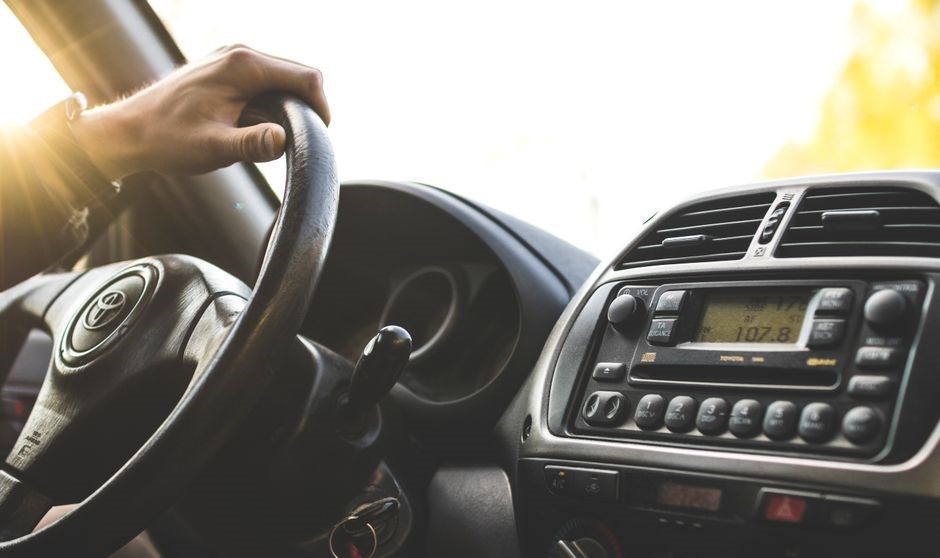
North Carolina drivers must be familiar with all primary vehicle controls before operating a motor vehicle. The steering wheel is the main interface for direction; turning it left or right changes the vehicle’s path. The accelerator pedal‚ located on the right‚ controls speed‚ while the brake pedal on the left slows or stops the vehicle. The clutch pedal‚ found only in manual transmissions‚ disengages the engine from the drivetrain‚ allowing gear changes. The gear shift lever or selector determines the vehicle’s gear ratio; it is positioned in the center console or near the steering column. Turn signal lever‚ usually on the left side of the steering column‚ activates the left or right indicator lights. The hazard warning light‚ located at the top of the dash‚ illuminates all turn signals simultaneously. The wiper controls are mounted on the steering column; the upper lever activates the windshield wipers‚ and the lower lever controls the rear wiper. The horn‚ a small button on the steering wheel‚ produces a short‚ loud sound used to alert other road users. The headlight switch‚ typically a knob or button on the steering column‚ turns on or off the vehicle’s headlights and high‑beam lamps. The dashboard displays essential information: speedometer‚ tachometer‚ fuel gauge‚ temperature gauge‚ and warning lights. The driver’s seat controls include seat adjustment lever‚ lumbar support knob‚ and seat belt buckle. Understanding the function and proper use of each control ensures safe operation and compliance with North Carolina traffic laws. Practice daily.!
Parking and Lane Management
When parking‚ always observe posted signs and markings. North Carolina law requires that you stop before the stop line‚ crosswalk‚ or intersection‚ and then park within the designated space. If a parking sign indicates “No Parking‚” you must not leave your vehicle there. For handicap parking‚ use the designated spaces and display the proper permit. Remember to check for any temporary restrictions‚ such as construction or event closures‚ before you pull in.
When driving in multiple lanes‚ keep a safe distance from the vehicle ahead and maintain the lane position. Use turn signals well before you change lanes‚ and check mirrors and blind spots. In North Carolina‚ the “right‑hand lane” is for normal traffic‚ while the left lane may be used for passing. Do not linger in the left lane for extended periods‚ as it can impede faster traffic. On highways‚ use the right lane for overtaking merging onto the exit. Always yield to emergency vehicles and obey speed limits. Proper lane discipline reduces accidents and keeps traffic flowing smoothly.
When merging onto a highway‚ signal early and accelerate to match traffic speed. Keep a safe following distance and use the “right‑hand lane” for normal driving. If you need to exit‚ move to the right lane well before the exit ramp and signal. In residential areas‚ observe speed limits and use the left lane for turning onto side streets. When parking on a street‚ always pull in the direction of traffic flow and leave enough space for other vehicles to pass.

Licensing Process and Testing
To obtain a North Carolina driver’s license‚ start with a learner’s permit‚ submit required documents‚ and pass the written test. After holding the permit for the mandated period‚ schedule a road test. Successful completion grants your full license. Keep records updated
Learner’s Permit and Required Documents
Before you can drive on North Carolina roads‚ you must first obtain a learner’s permit. The permit allows you to practice driving under supervision‚ preparing you for the full license. To apply‚ you need several documents and to meet specific eligibility criteria.
- Proof of identity: A valid U.S. birth certificate‚ passport‚ or other government‑issued ID.
- Proof of residency: A utility bill‚ lease agreement‚ or bank statement showing your NC address.
- Social Security number: A Social Security card or a document that verifies your SSN.
- Parental consent: For applicants under 18‚ a signed consent form from a parent or legal guardian.
- Completed application: The Driver License Application form (DL-1) available online or at the DMV office.
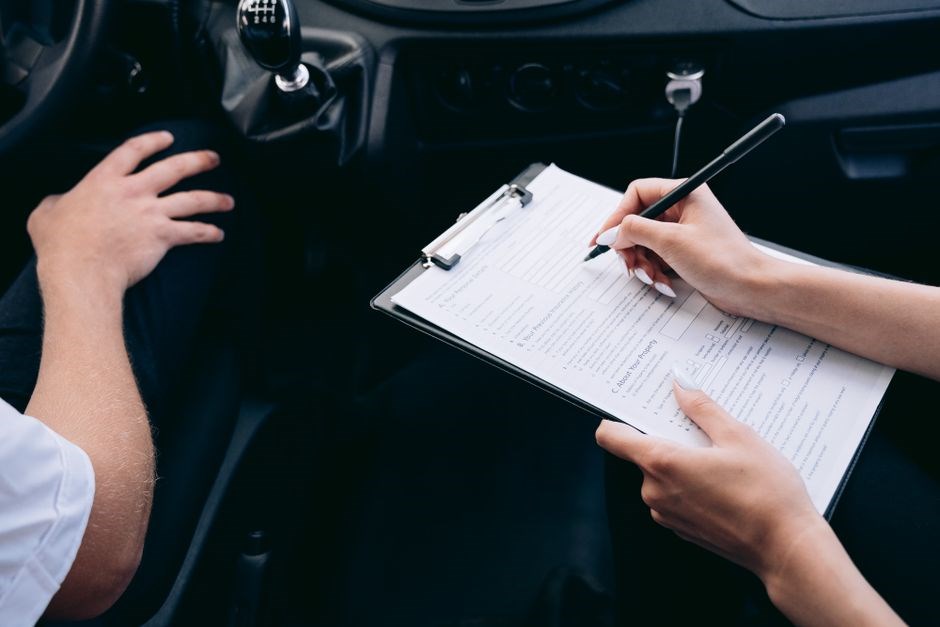
All documents must be current and in good condition. The DMV will verify each item‚ and you may be asked to provide additional evidence if any document is incomplete. Once your documents are approved‚ you’ll schedule a written knowledge test. Passing this test grants you the learner’s permit‚ which is valid for 12 months. During this period‚ you must complete at least 30 hours of supervised driving‚ including 10 hours at night‚ before you can book the road test. The learner’s permit is a critical step that ensures you understand traffic laws and gain practical experience before driving independently.
Remember to keep your documents updated and renew your permit before it expires to avoid penalties.
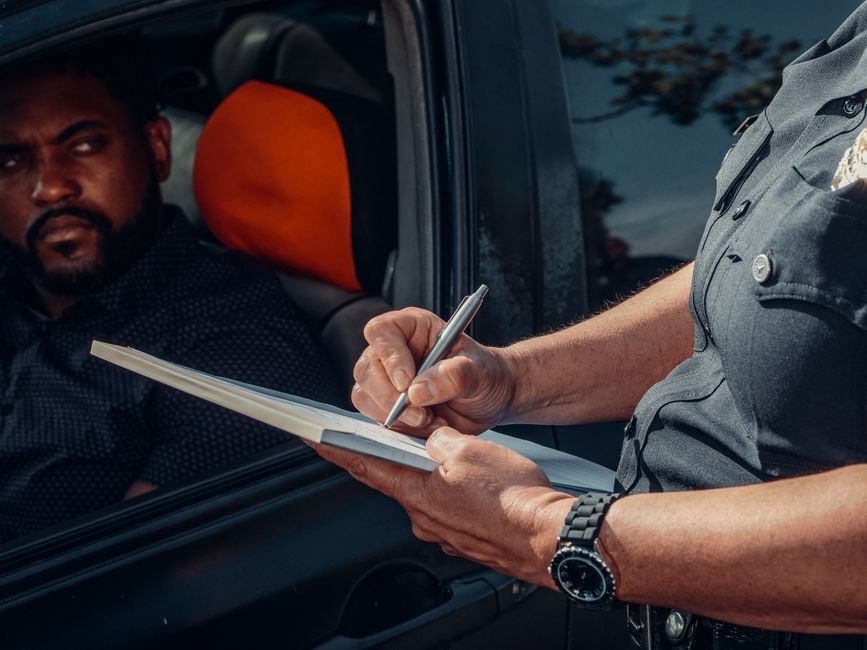
Before you can drive on North Carolina roads‚ you must first obtain a learner’s permit. The permit allows you to practice driving under supervision‚ preparing you for the full license. To apply‚ you need several documents and to meet specific eligibility criteria.
- Arrive early: Give yourself 15 minutes before the test to settle in‚ review your checklist‚ and calm nerves.
- Practice parking: Master parallel‚ angle‚ and perpendicular parking in various scenarios. Pay attention to distance from curb and vehicle alignment.
- Observe speed limits: Maintain appropriate speeds‚ use cruise control only when permitted‚ and adjust for weather or traffic conditions.
- Signal correctly: Signal well in advance of turns‚ lane changes‚ and when exiting parking spaces.
- Use mirrors: Check mirrors before every maneuver and keep a constant awareness of surrounding traffic.
- Stay calm: If you make a mistake‚ correct it smoothly and keep a steady pace.
During the test‚ the examiner evaluates your ability to follow traffic laws‚ use signals‚ and maintain safe distances. Keep your hands on wheel‚ avoid distractions‚ and stay within lane boundaries. After test‚ review examiner’s comments to identify improvement areas. With thorough preparation‚ focus you’ll increase your chances passing on first attempt.